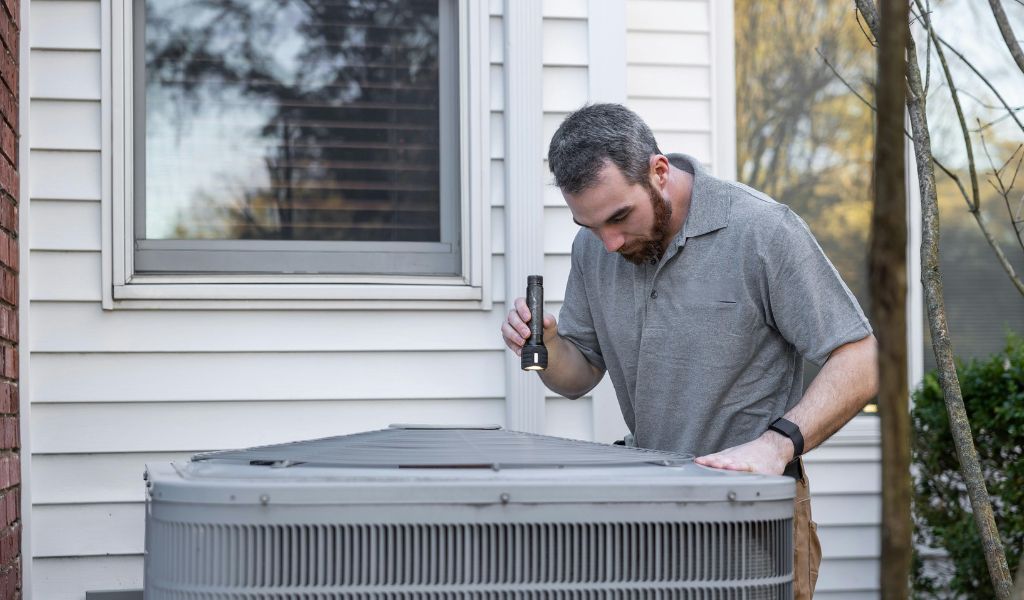
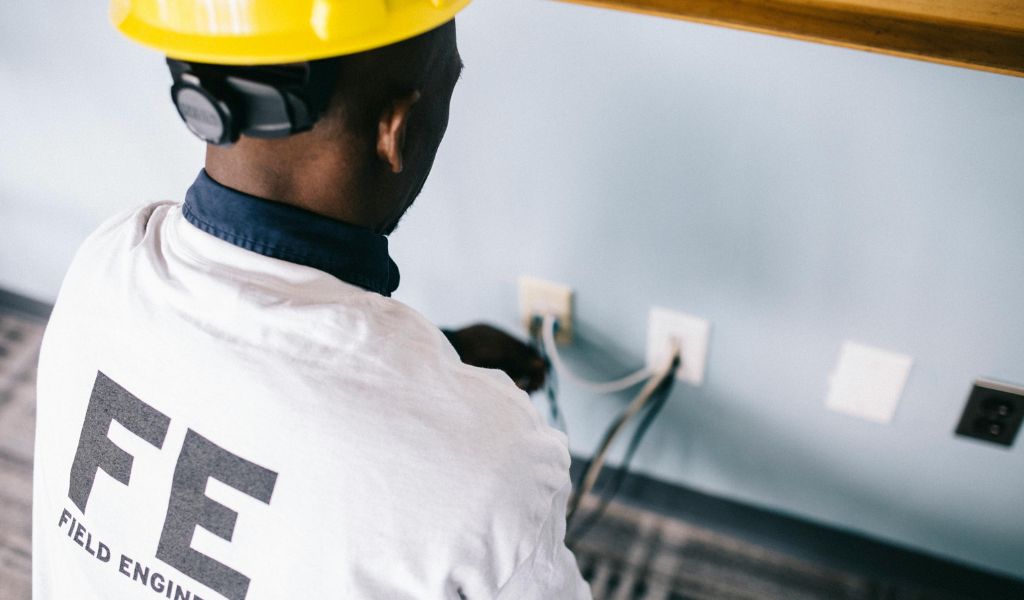
Electrical issues are more than minor inconveniences. From flickering lights to burning smells, the warning signs of electrical problems in your house can indicate serious safety risks. Ignoring these issues can lead to electrical shocks, appliance damage, power outages, or even house fires.
This guide outlines the 10 most common electrical problems homeowners overlook, their causes, and when to contact a licensed electrician.
Why You Should Never Ignore Electrical Problems
Delaying electrical repairs can result in:
- Electric shocks
- Damaged appliances
- Repeated power loss
- Fire hazards
- Expensive emergency repairs
Being proactive protects your home and family.
1. Circuit Breaker Trips Frequently
If your breaker trips often, it is a strong sign of electrical problems in your house.
Possible causes:
- Overloaded circuit
- Faulty appliance
- Short circuit or ground fault
If the issue continues, have an electrician inspect the system.
2. Flickering or Dimming Lights
Lights that flicker when appliances turn on may indicate:
- Loose wiring
- Overloaded circuits
- Utility voltage fluctuations
- Failing electrical panel
Occasional flickering may not be serious, but frequent issues require inspection.
3. Burning Smell or Scorch Marks
A burning plastic smell is a serious warning sign.
Look for:
- Discoloration around outlets
- Warm switch plates
- Melted wires
- Black scorch marks
Turn off power immediately and call an electrician.
4. Buzzing Sounds from Outlets or Panels
Electrical systems should operate silently. Buzzing or humming may indicate:
- Loose wiring
- Faulty breaker
- Overloaded circuit
Ignoring these sounds increases fire risk.
5. Warm or Hot Outlets
Outlets should never feel hot to the touch.
Possible causes:
- Loose wiring
- Improper installation
- Overloaded wiring
This issue requires immediate professional attention.
6. Frequently Blown Fuses
Older homes with fuse boxes may experience frequent blown fuses due to:
- Outdated wiring
- Overloaded circuits
- High power demand from appliances
An electrical panel upgrade may be necessary.
7. Sparking Outlets
A small spark occasionally can be normal. However, large or repeated sparks may indicate:
- Short circuits
- Moisture damage
- Worn-out outlets
Stop using the outlet until it has been inspected.
8. Dead Outlets or Switches
If certain outlets stop working, possible causes include:
- Loose wiring
- Damaged circuit
- Tripped GFCI outlet
Dead outlets can signal deeper wiring issues.
9. Electrical Shocks
Receiving a shock when touching a switch or appliance may be caused by:
- Faulty grounding
- Damaged wiring
- Poor insulation
Electrical shocks should always be taken seriously.
10. Outdated Wiring
Homes older than 25–30 years may contain:
- Aluminum wiring
- Knob-and-tube wiring
- Insufficient power capacity
Older wiring systems may not safely handle modern electrical loads.
Quick Reference Guide
| Warning Sign | Risk Level | Action Required |
| Frequent breaker trips | Medium to High | Inspect circuits |
| Burning odor | Very High | Immediate repair |
| Flickering lights | Medium | Electrical inspection |
| Warm outlets | High | Call electrician |
| Buzzing sounds | High | Professional inspection |
| Sparking outlets | High | Stop using outlet |
| Electrical shocks | Very High | Immediate repair |
| Old wiring | Medium to High | Upgrade recommended |
When to Call a Professional
Contact a licensed electrician if you notice:
- Recurring electrical problems
- Burning smells
- Constant breaker trips
- Electrical shocks
- Damaged or exposed wiring
DIY electrical repairs are dangerous without proper training.
How to Prevent Electrical Problems
- Avoid overloading outlets
- Use surge protectors
- Schedule periodic electrical inspections
- Upgrade outdated wiring
- Keep electrical panels accessible and clean
- Install modern circuit breakers
Preventive maintenance keeps your home safe.
Frequently Asked Questions
What are the most common electrical problems in your house?
Frequent breaker trips, flickering lights, burning smells, hot outlets, and sparking switches are common warning signs.
Are flickering lights dangerous?
Not always, but frequent flickering may indicate wiring or panel issues that require inspection.
Why does my breaker keep tripping?
Breakers trip due to overloaded circuits, short circuits, or faulty appliances.
Can electrical problems cause house fires?
Yes. Faulty wiring and overloaded circuits are major causes of residential fires.
How often should my home electrical system be inspected?
Homes should be inspected every 3–5 years, or more frequently if the property is older.
Conclusion
Electrical problems in your house should never be ignored. Many warning signs indicate potential fire hazards or serious system failures. Address issues promptly and consult a certified electrician whenever necessary.
Taking electrical safety seriously protects your home, your investment, and your family.