Regular cleaning keeps your home looking tidy.
Deep cleaning keeps your home healthy.
Dust, germs, grime, and bacteria build up over time—especially in hidden corners, behind appliances, and on surfaces we don’t clean daily. Knowing how to deep clean your home properly ensures a safer, fresher, and more comfortable living space.
This guide walks you through every step.
What Is Deep Cleaning?
Deep cleaning goes beyond routine cleaning like wiping counters or vacuuming visible areas.
It includes:
- Dusting ceilings and removing cobwebs
- Cleaning light fixtures and ceiling fans
- Wiping cabinet doors and handles
- Cleaning behind and under furniture
- Scrubbing grout and tile
- Disinfecting high-touch surfaces
- Cleaning vents and baseboards
- Sanitizing kitchen and bathroom fixtures
Deep cleaning targets areas that are often overlooked in regular weekly cleaning.
Before You Start: Gather Your Supplies
Preparation makes the job easier and more efficient.
Essential supplies:
- Microfiber cloths
- Sponges and scrub brushes
- Mop and bucket
- Vacuum (with attachments)
- Baking soda
- White vinegar
- All-purpose cleaner
- Glass cleaner
- Disinfectant spray
- Trash bags
- Rubber gloves
Optional but helpful:
- Steam cleaner
- Carpet cleaner
- Extendable duster
Step 1: Declutter First
Deep cleaning is much easier without clutter.
- Remove unnecessary items from surfaces
- Organize drawers and shelves
- Discard or donate unused items
- Clear floors and countertops
Decluttering reduces stress and allows you to clean thoroughly.
Step 2: Start With Dusting (Top to Bottom)
Always clean from top to bottom. Dust falls downward, so this prevents re-cleaning surfaces.
Start with:
- Ceiling fans
- Light fixtures
- Curtain rods
- Shelves
- Picture frames
- Door frames
- Walls (spot clean stains)
Then move down to furniture and floors.
Step 3: Deep Clean the Kitchen
The kitchen accumulates grease and bacteria quickly.
Kitchen Deep Cleaning Checklist
- Wipe cabinet doors (inside and out)
- Clean backsplash and tiles
- Degrease stovetop
- Clean inside microwave
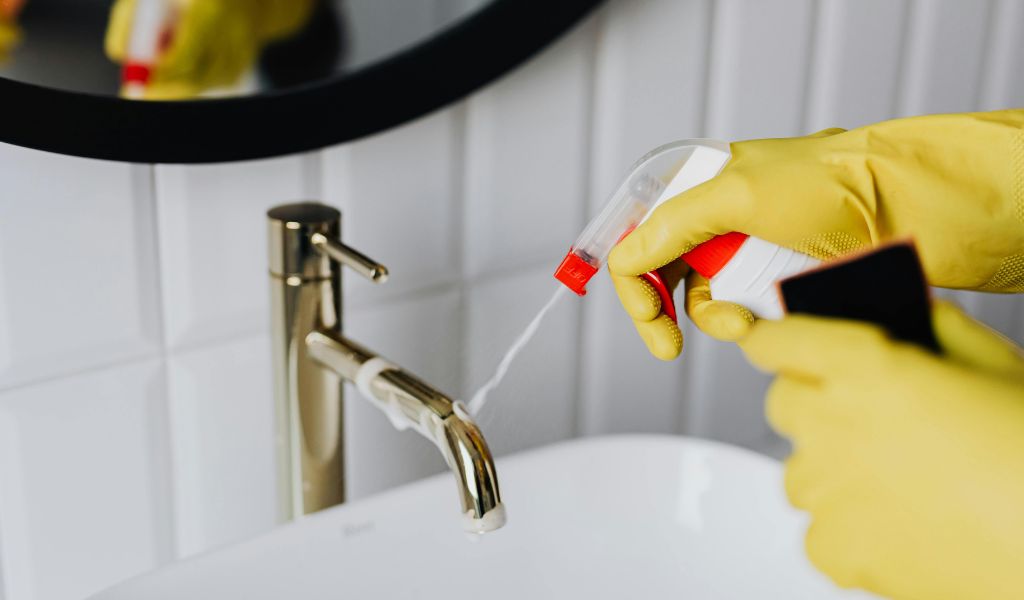
- Sanitize sink and faucet
- Empty and clean refrigerator
- Wipe small appliances
- Mop behind appliances
Tip: Baking soda and vinegar work well for natural grease removal.
Step 4: Deep Clean the Bathroom
Bathrooms require extra attention due to moisture and germs.
Focus Areas
- Scrub tiles and grout
- Clean shower glass
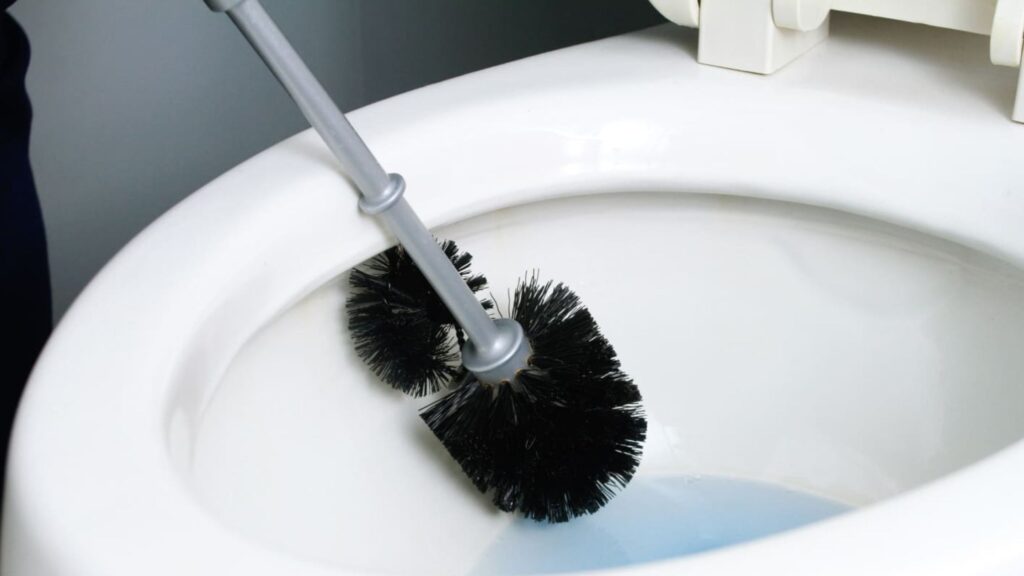
- Disinfect toilet (inside and outside)
- Clean sink and faucets (remove limescale)
- Wash bath mats
- Clean mirrors
- Sanitize high-touch areas
Use disinfectant and allow proper dwell time for maximum effectiveness.
Step 5: Bedrooms
Deep cleaning bedrooms improves air quality and sleep hygiene.
- Wash bedding and pillow covers
- Vacuum mattress
- Rotate mattress (if applicable)
- Clean under the bed
- Dust furniture
- Organize closet
- Wipe nightstands and lamps
Step 6: Living Room
The living room is a high-traffic area.
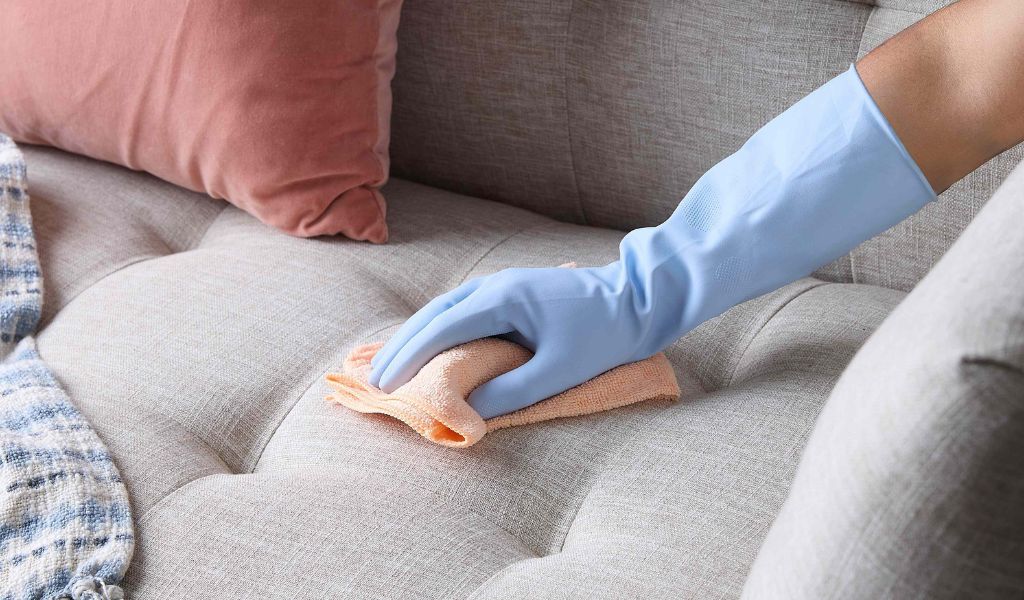
- Vacuum sofa and cushions
- Clean beneath furniture
- Wipe electronics carefully
- Dust decorative items
- Clean windows
- Mop or vacuum floors thoroughly
Step 7: Floors and Carpets
Finish with floors.
- Vacuum carpets slowly and thoroughly
- Spot-clean stains
- Mop hard floors
- Clean baseboards
- Remove dust buildup in corners
If possible, steam clean carpets for a deeper refresh.
Deep Cleaning Frequency Guide
| Area | Main Task | Recommended Frequency |
| Kitchen | Clean fridge & sanitize | Monthly |
| Bathroom | Scrub tiles & disinfect | Monthly |
| Bedroom | Wash bedding & vacuum mattress | Every 2–3 months |
| Living Room | Vacuum furniture | Monthly |
| Floors | Deep mop & vacuum | Monthly |
Special Situations
- Homes with pets: Monthly deep cleaning
- Allergy sufferers: More frequent cleaning
- Large households: Increase frequency
How to Deep Clean Faster
- Use a timer for each room
- Play music or a podcast
- Close doors to focus on one space
- Open windows for ventilation
- Use natural cleaners when possible
- Stay organized and follow a checklist
Deep cleaning doesn’t have to take all day if you work efficiently.
How Often Should You Deep Clean?
For most homes: Every 2–3 months
However, you may need to clean more often if:
- You have pets
- Someone has allergies
- There is heavy daily foot traffic
- You notice odors or buildup
Why Deep Cleaning Matters
Deep cleaning:
- Improves air quality
- Reduces allergens
- Removes hidden bacteria
- Enhances mental clarity
- Makes your home feel brand new
A clean home supports both physical and mental well-being.
Frequently Asked Questions
How long does a full deep clean take?
Typically 4–8 hours, depending on home size and level of dirt.
What’s the difference between regular cleaning and deep cleaning?
Regular cleaning maintains surface cleanliness. Deep cleaning targets hidden dirt, grime, and bacteria in neglected areas.
Can I deep clean quickly?
Yes, if you follow a structured checklist and stay focused.
Can I use natural products?
Yes. Baking soda, vinegar, and lemon are effective natural cleaners for many surfaces.
Final Thoughts
Deep cleaning your home requires effort—but the results are worth it.
By decluttering first, cleaning from top to bottom, and focusing on high-impact areas like kitchens and bathrooms, you create a healthier and more comfortable environment.
Make deep cleaning part of your routine, and your home will always feel fresh, organized, and welcoming.