
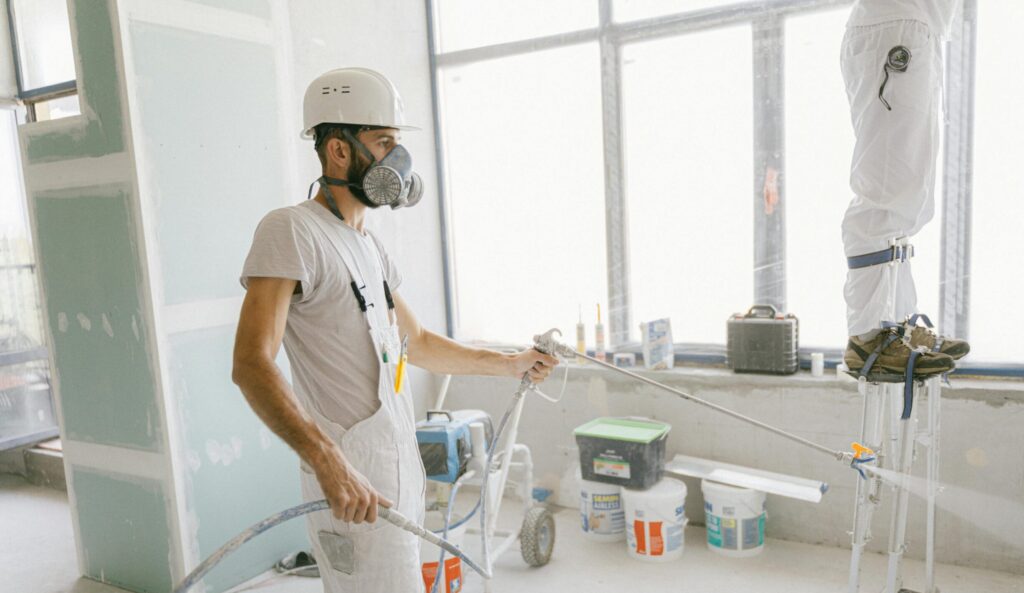
Painting a popcorn ceiling is one of those home improvement tasks that sounds simple until you actually look up and think, “How hard could this be?”
Very.
Popcorn ceilings have texture. Texture absorbs paint. Texture flakes. Texture drops tiny white bits into your hair, your eyes, and somehow your coffee mug. But with the right preparation, tools, and a bit of patience, painting one can dramatically upgrade your space.
In fact, real estate surveys show that freshly painted ceilings can increase perceived home value by up to 5–10%, especially in older properties. That’s a serious visual upgrade for the cost of a few paint cans and some elbow grease.
Let’s walk through how to paint a popcorn ceiling the right way, step by step, without turning your living room into a modern art disaster.
But, Should You Paint a Popcorn Ceiling?
Short answer: yes, if it’s in decent condition. A fresh coat of paint:
- Brightens the room
- Makes ceilings look taller
- Refreshes aged textures
- Hides minor discoloration
However, if your ceiling is heavily damaged, sagging, or shedding chunks like a shedding pet, repair or removal might be a better option.
Did you know? Popcorn ceilings were massively popular between the 1950s and 1980s because they were cheap, hid imperfections, and absorbed sound.
Tools and Materials You’ll Need
Before you begin, gather:
- Thick-nap roller (¾-inch or thicker)
- Extension pole
- Angled paintbrush
- Paint tray
- Ceiling-specific paint (flat or matte finish)
- Drop cloths or plastic sheets
- Painter’s tape
- Safety goggles
- Dust mask or respirator
- Ladder
Step-by-Step Guide: How to Paint a Popcorn Ceiling
Step 1: Test the Ceiling for Loose Texture
Before touching a paint can, lightly brush your hand across the ceiling. If bits fall like snow, painting might knock loose large patches. You’ll want to scrape and repair those spots first.
Older ceilings may also contain asbestos (especially pre-1980 homes). If you’re unsure, testing kits are widely available and inexpensive. Safety first, always.
Step 2: Protect Everything Below
Gravity can defeat your sense of cleanliness. So, cover:
- Floors
- Furniture
- Light fixtures
- Wall edges
Use drop cloths and painter’s tape generously. Ceiling paint drips behave like they have personal vendettas.
Step 3: Choose the Right Paint
Flat or matte ceiling paint is ideal. Glossy finishes highlight texture and imperfections, turning popcorn into dramatic landscapes. So, look for high-viscosity ceiling paint, labeled “splatter-resistant” with mold-resistant formulas for the bathrooms.
Fun fact: Ceiling paint is often tinted slightly blue or pink when wet, so you can see where you’ve painted. It dries white. This prevents missed spots and accidental overlap streaks.
Step 4: Use the Right Roller Setup
This step saves you from going insane.
A ¾-inch to 1¼-inch nap roller holds more paint and pushes it into the textured surface evenly. Pair it with an extension pole so your shoulders don’t stage a rebellion halfway through.
Step 5: Cut In the Edges First
Using an angled brush, paint along:
- Ceiling corners
- Edges near walls
- Light fixtures
- Vents
This creates clean borders and prevents roller mishaps near edges. Work in small sections and avoid pressing too hard, popcorn texture can break loose under aggressive brushing.
Step 6: Roll Gently and Evenly
Here’s where technique matters.
Load your roller generously and roll in small, overlapping sections. Avoid pressing hard. Let the roller glide.
Rolling too aggressively knocks texture loose, causes patchy coverage, and can even create uneven surfaces.
So try to keep things soft and steady.
Step 7: Work in Sections
Divide your ceiling into manageable zones. Finish one area completely before moving on. This helps maintain consistent coverage, prevent visible lap marks, and reduce missed spots.
Step 8: Apply a Second Coat (If Needed)
Popcorn ceilings absorb paint like sponges.
Most require two coats for even brightness and full coverage. Let the first coat dry completely (which takes usually around 2 to 4 hours) before applying the second.
How Much Paint Will You Need?
Popcorn ceilings require 20–30% more paint than flat surfaces.
According to a general estimate, about 1 gallon covers about 200–250 sq ft of popcorn ceiling. Always buy a little extra. Matching ceiling paint later is far more annoying than returning unused cans.
When Painting Might Not Be the Best Option
Sometimes painting isn’t the fix. So, consider alternatives if:
- Texture is crumbling badly
- The ceiling shows water damage
- The surface is heavily stained
- You want a modern, smooth finish
In these cases, removal or resurfacing might deliver better long-term results.
Final Thoughts: Is Painting a Popcorn Ceiling Worth It?
Absolutely, especially when done right.
It refreshes your home, brightens rooms, and gives outdated spaces a clean lift without expensive renovations. Plus, the satisfaction of looking up at a freshly painted ceiling is surprisingly rewarding.
Just remember: preparation is half the job, patience is the other half, and gravity is always watching.
FAQs: How to Paint a Popcorn Ceiling
1. Can I paint over a dirty popcorn ceiling?
Yes, but cleaning it lightly first ensures better adhesion and finish.
2. How long does it take to paint a popcorn ceiling?
Most rooms take 4–6 hours, including prep and drying time.
3. Can I use regular wall paint on popcorn ceilings?
You can, but ceiling paint provides better coverage and less splatter.
4. How do I prevent popcorn texture from falling off?
Use gentle pressure and a thick-nap roller with plenty of paint.
5. Is it safe to paint an old popcorn ceiling?
If asbestos is present, professional testing and guidance are recommended.
6. Should I prime before painting?
Priming helps if the ceiling has stains, smoke damage, or heavy discoloration.