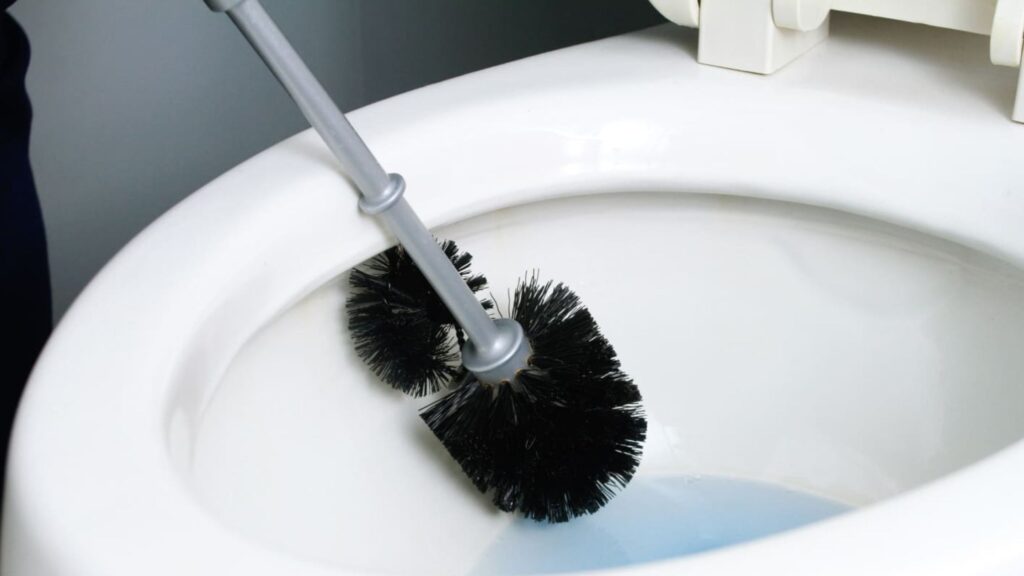
Let’s address the elephant in the bathroom: the toilet brush.
It’s the unsung hero of hygiene, the bravest warrior in the war against questionable stains, and easily the most ignored cleaning tool in your home. Ironically, the very thing designed to clean your toilet is often… not clean at all.
In fact, studies show that bathroom tools can carry millions of bacteria per square inch, and toilet brushes are among the worst offenders. Yet, most of us rinse them under running water, shake them once, and slide them back into the holder as if nothing happened.
Spoiler alert: something definitely happened.
If your toilet brush had feelings, it would be begging for proper sanitation. So let’s fix that. This step-by-step guide will show you how to clean a toilet brush the right way, without turning it into a biohazard event.
But First: Why Cleaning Your Toilet Brush Actually Matters
Your toilet brush scrubs bacteria, germs, and organic residue. When it goes back into its holder, damp and dirty, it becomes a mini bacterial breeding lab.
Fun fact: According to microbiology research, bathroom surfaces (including cleaning tools) can harbor bacteria like E. coli, Salmonella, and Staphylococcus. Left uncleaned, these bacteria multiply fast, especially in warm, moist environments.
So that innocent-looking brush holder could be hosting a microscopic rave.
Beyond hygiene, a dirty toilet brush:
- Smells unpleasant
- Spreads bacteria instead of removing it
- Wears out faster
- Makes your entire bathroom cleaning routine less effective
A clean brush means a cleaner toilet, and surprisingly, a fresher-smelling bathroom.
How Often Should You Clean a Toilet Brush?
Before we talk about how to clean a toilet brush, let’s talk about how frequently you should clean it. Short answer: more often than you probably do. Here’s a general guideline:
- Once a week, if the toilet gets heavy daily use
- After any deep clean session
- Immediately after scrubbing particularly dirty toilets
Think of it this way: if you wouldn’t reuse a dirty dish sponge for a week, your toilet brush deserves at least the same respect.
What You’ll Need (No Fancy Equipment Required)
Before we get started, grab:
- Rubber gloves
- Hot water
- Disinfectant (bleach, vinegar, or hydrogen peroxide)
- An old bucket or the toilet bowl itself
- Optional: baking soda, dish soap
That’s it. No lab-grade chemicals. No special gadgets. Just basic cleaning supplies.
Step-by-Step Guide: How to Clean a Toilet Brush the Right Way
Step 1: Rinse Immediately After Use
Right after scrubbing the toilet, hold the brush under the flushing stream for 5–10 seconds. This helps remove loose debris before it dries and clings on like a stubborn souvenir.
Quick rinse now makes sure you get to do less scrubbing later.
Step 2: Prepare a Disinfecting Soak
Fill a bucket (or the toilet bowl) with hot water and add your disinfectant:
- Bleach: 1–2 tablespoons
- Vinegar: 1 cup
- Hydrogen peroxide: ½ cup
This creates a bacteria-killing bath that breaks down grime and neutralizes odors.
Step 3: Soak the Brush Properly
Place the brush head fully into the solution. Let it soak for at least 30 minutes. For heavy buildup or lingering smells, an hour works even better.
During this time, the disinfectant penetrates deep into the bristles, killing microbes that simple rinsing can’t reach.
Step 4: Scrub (Yes, the Cleaner Needs Cleaning Too)
After soaking, gently scrub the bristles against the toilet bowl or inside the bucket to dislodge trapped debris.
It’s oddly satisfying. Also slightly ironic.
Step 5: Rinse Thoroughly
Rinse under running water until there’s no visible residue or smell. Rotate the brush while rinsing to flush out hidden pockets of gunk.
Step 6: Let It Dry Completely
This step is crucial and commonly skipped.
Never store a wet toilet brush. Moisture encourages bacterial growth and funky odors.
You can trap the handle under the toilet seat so the brush head hangs over the bowl. Let it drip-dry for 10–15 minutes before returning it to its holder.
Step 7: Clean the Brush Holder Too
Here’s the twist: the holder is often dirtier than the brush.
Rinse it with hot water, scrub with disinfectant, and dry thoroughly. Otherwise, you’re placing a clean brush into a dirty home, which defeats the entire purpose.
Natural Cleaning Alternatives (For Chemical-Free Homes)
If you prefer gentler solutions, these work surprisingly well:
- Vinegar + Baking Soda Combo: Sprinkle baking soda over bristles. Spray vinegar. Let it fizz and soak for 30 minutes. Rinse and dry.
- Boiling Water Rinse: Pour hot (not boiling) water over the brush for a deep cleanse. Works well for odor removal and quick sanitization.
When Should You Replace a Toilet Brush?
Even the best cleaning routine can’t save a brush forever. Replace your toilet brush when:
- Bristles flatten permanently
- Odors persist despite cleaning
- Visible mold develops
- It looks more haunted than helpful
Typically, a toilet brush should be replaced every 6–12 months, depending on usage. According to home hygiene surveys, over 70% of households keep toilet brushes for longer than recommended, mostly because they forget how old they are.
Common Toilet Brush Cleaning Mistakes
Most toilet brush horror stories begin with one of these mistakes.
- Storing it wet
- Never cleaning the holder
- Using only water, no disinfectant
- Letting grime dry before rinsing
- Ignoring persistent odors
Final Thoughts
The toilet brush isn’t glamorous. It doesn’t get shiny packaging. It doesn’t live in fancy cabinets. Yet it plays a critical role in keeping your bathroom (and health) in check.
Cleaning it properly takes less than five minutes, but the benefits last far longer.
Plus, there’s something oddly satisfying about knowing your cleaning tools are just as clean as the spaces they’re meant to protect.
FAQs: How to Clean a Toilet Brush
1. How often should I clean my toilet brush?
At least once a week, and after any heavy toilet cleaning session.
2. Can I clean my toilet brush with vinegar?
Yes. Vinegar works well as a natural disinfectant and odor remover.
3. Is bleach safe for toilet brush cleaning?
Yes, when diluted properly. Always rinse thoroughly afterward.
4. Should I clean the brush holder too?
Absolutely. The holder often traps dirty water and bacteria.
5. How long should I soak my toilet brush?
30 minutes is sufficient for routine cleaning. Up to one hour for deeper sanitation.
6. When should I replace my toilet brush?
Every 6–12 months, or sooner if it smells, molds, or loses shape.