Few experiences are more frustrating than stepping into the shower and discovering weak water flow. Low water pressure is a common household problem. If you are wondering, “why is my water pressure low?” the good news is that most causes can be identified and fixed quickly.
This guide explains the common causes of low water pressure, simple DIY solutions, and when it is time to call a professional plumber.
What Is Considered Low Water Pressure?
Most homes operate at a normal water pressure of 40–60 PSI (pounds per square inch). You may have low water pressure if:
- Shower water comes out weak or uneven
- Faucets produce a thin stream instead of steady flow
- Washing machines or dishwashers take longer than usual to fill
- Multiple fixtures lose pressure at the same time
If the issue affects the entire house, the cause may be more serious.
Common Causes of Low Water Pressure
Many homeowners ask, “why is my water pressure low?” Below are the most common reasons.
1. Clogged Faucet Aerator or Showerhead
Mineral buildup from hard water can block small openings inside fixtures.
Signs:
- Only one faucet has low pressure
- Uneven spray pattern
- Visible calcium deposits
Solution:
- Remove the aerator or showerhead
- Soak in vinegar for 30–60 minutes
- Scrub gently and rinse
This is one of the easiest fixes.
2. Partially Closed Shut-Off Valve
Sometimes the main water valve or fixture valves are not fully open.
Check:
- Main shut-off valve near the water meter
- Water meter valve
- Valves under sinks
If partially closed, turn the valve fully counterclockwise.
3. Hidden Plumbing Leaks
Leaks divert water before it reaches fixtures, reducing pressure.
Warning signs:
- Damp spots on walls or ceilings
- Mold growth or musty smell
- Unusually high water bills
- Sound of running water when taps are off
Leaks should be repaired quickly to avoid structural damage.
4. Old or Corroded Pipes
In older homes, galvanized pipes corrode internally and restrict water flow.
Signs:
- Gradual pressure decrease over time
- Rust-colored water
- Low pressure throughout the house
Pipe replacement may be necessary.
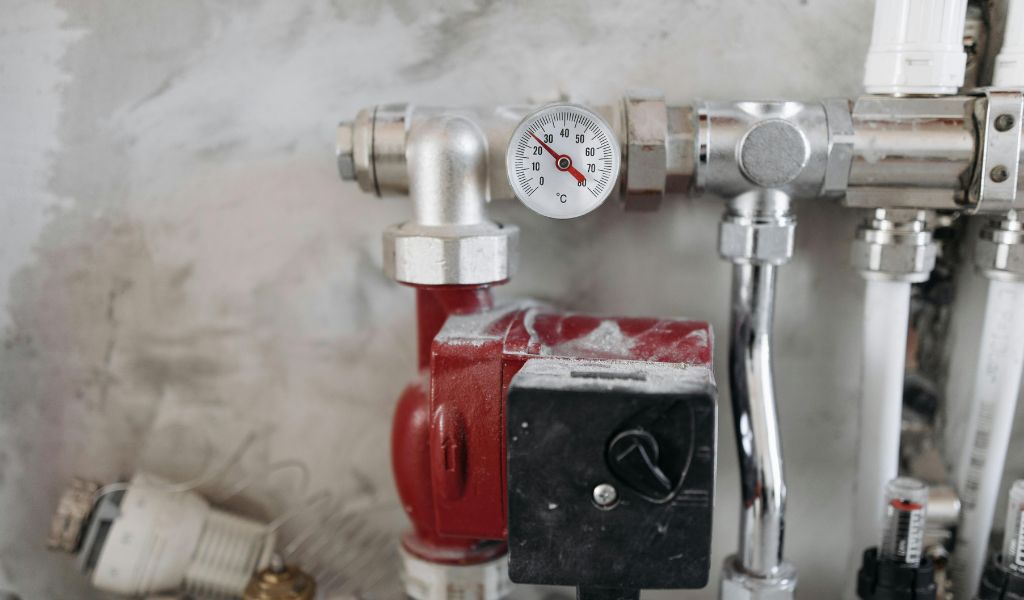
5. Faulty Pressure Regulator
Some homes have a pressure reducing valve (PRV). When it fails, you may notice:
- Sudden pressure changes
- Inconsistent water flow
- Noisy pipes
A plumber can test and replace the regulator if needed.
6. Municipal Water Supply Problems
Sometimes the issue is outside your home.
Consider:
- Are neighbors experiencing the same issue?
- Is there nearby construction?
- Has the water company issued a notice?
Supply issues are often temporary.
7. Water Heater Problems
If only hot water pressure is low, the water heater may be the cause.
Possible reasons:
- Sediment buildup
- Partially closed valve
- Aging or failing heater
Flushing the water heater may solve the problem.
Quick Troubleshooting Checklist
| Area of Problem | Possible Cause | DIY Fix? |
| One faucet only | Clogged aerator | Yes |
| Whole house | Main valve or regulator | Sometimes |
| Only hot water | Water heater issue | Maybe |
| Gradual pressure drop | Pipe corrosion | No |
| Sudden pressure drop | Leak or regulator failure | Usually no |
DIY Fixes to Try First
Before calling a plumber, try these steps:
- Clean faucet aerators and showerheads
- Check that all shut-off valves are fully open
- Inspect exposed pipes for visible leaks
- Flush the water heater
- Contact your local water supplier
Simple inspections often solve the issue.
When to Call a Plumber
If you still find yourself asking, “why is my water pressure low?” after basic troubleshooting, professional help may be necessary.
Call a plumber if:
- Pressure is low throughout the entire home
- You suspect hidden leaks
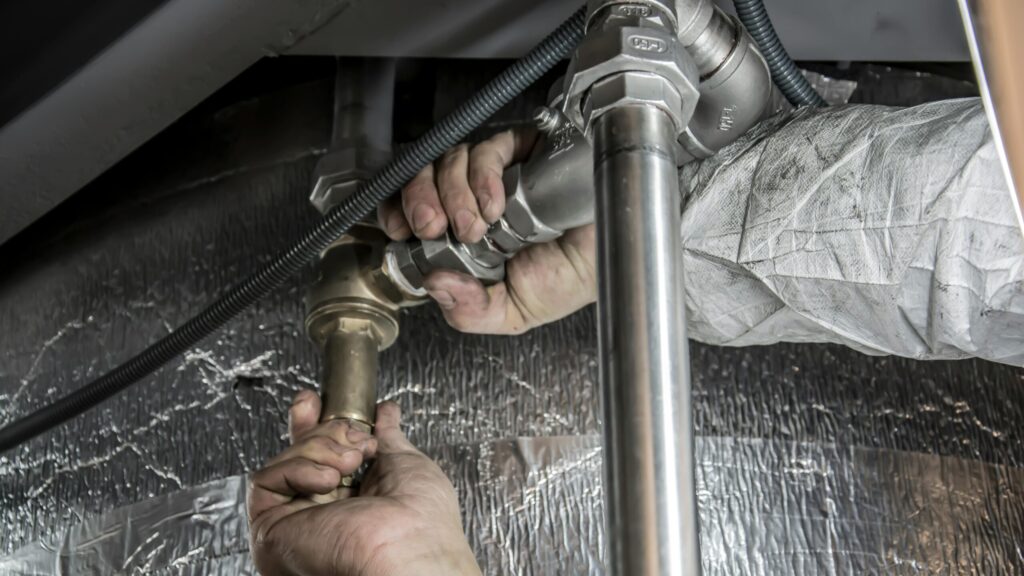
- Pipes are old and corroded
- The pressure regulator needs replacement
- You hear banging or knocking sounds (water hammer)
A professional diagnosis can prevent larger problems.
Long-Term Solutions to Increase Water Pressure
For permanent improvements, consider:
- Installing a water pressure booster pump
- Replacing old plumbing pipes
- Upgrading fixtures
- Installing a new pressure regulator
- Scheduling regular plumbing maintenance
Preventive maintenance helps keep pressure stable.
How to Prevent Low Water Pressure
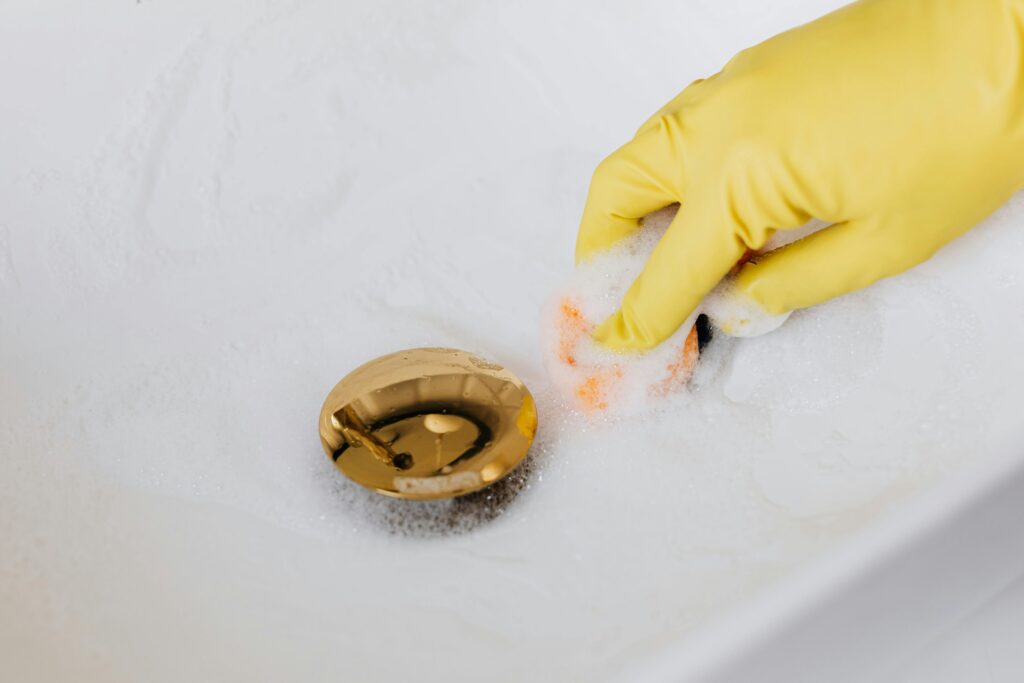
- Clean fixtures monthly
- Flush the water heater annually
- Monitor water bills for unusual increases
- Replace aging plumbing before failure
- Install a water softener if you have hard water
Prevention is more affordable than repair.
Frequently Asked Questions
1. Why is my water pressure low in only one faucet?
Most likely due to a clogged aerator or localized blockage.
2. Why did my water pressure suddenly drop?
Possible causes include a hidden leak, partially closed valve, regulator failure, or municipal supply issue.
3. Can a plumber fix low water pressure?
Yes. A plumber can locate leaks, replace regulators, repair pipes, and improve overall system performance.
4. Is low water pressure dangerous?
Not always, but it may indicate underlying plumbing problems that require attention.
5. How much does it cost to repair low water pressure?
Costs vary depending on the cause. Cleaning fixtures is inexpensive, while pipe replacement or major leak repairs can be more costly.
Conclusion
If you have been wondering, “why is my water pressure low?” the answer usually lies in clogged fixtures, faulty valves, leaks, or aging plumbing. Start with simple DIY checks. If the problem continues, contact a licensed plumber to prevent further damage.
Maintaining proper water pressure is essential for both comfort and the long-term health of your plumbing system.