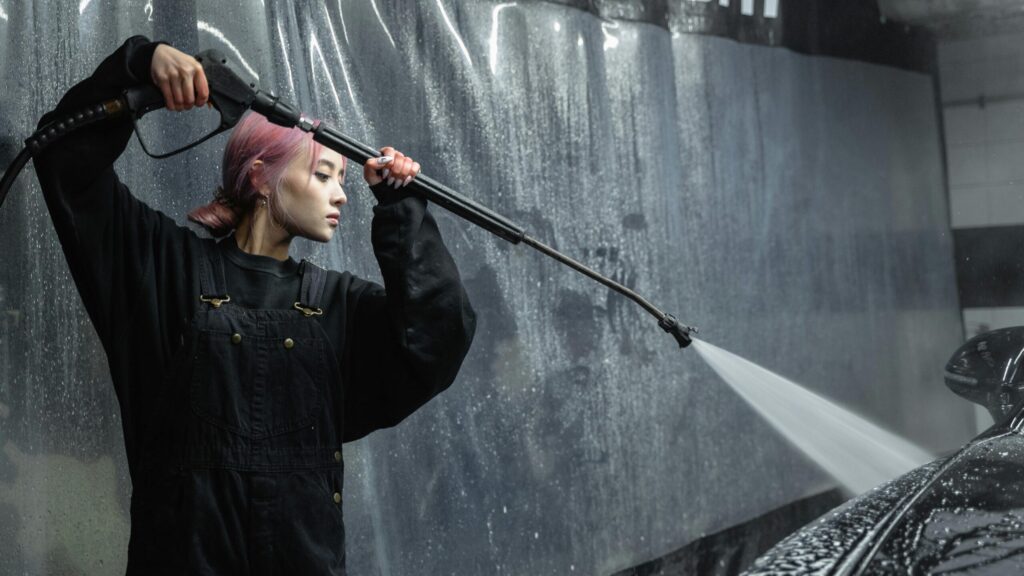
Pressure washing looks simple from the outside. Water, wand, done. In reality, timing matters more than most people expect. Do it at the wrong time of year and results don’t last. Do it at the right time—and coordinate it with other exterior projects—and you save money, extend the lifespan of surfaces, and avoid rework.
Here’s how to think about timing pressure washing so it actually pays off.
Spring: the most popular—and for good reason
Spring is pressure washing season for a reason. After months of winter buildup, surfaces are loaded with grime, salt residue, algae spores, and organic debris. Driveways look dull, siding shows streaks, and decks feel slippery.
Pros of spring pressure washing:
- Removes winter residue before it bakes into surfaces
- Prepares homes for outdoor use and curb appeal
- Ideal timing before painting, staining, or sealing
- Easier scheduling with contractors before peak summer demand
Spring is especially smart if you’re planning any exterior upgrades—painting, deck staining, concrete sealing, or landscaping. Washing first ensures coatings bond properly and prevents contractors from charging extra to clean surfaces themselves.
One thing to plan for: early spring temperatures. Pressure washing should only be done once daytime temperatures stay safely above freezing, so water doesn’t refreeze in cracks or on surfaces overnight.
Summer: good for maintenance, tricky for deep cleaning
Summer can work well—but it depends on what you’re washing and how hot it is.
Pros of summer pressure washing:
- Fast drying times
- Great for maintenance cleans
- Flexible scheduling for most homeowners
Cons:
- Heat can cause cleaning solutions to dry too quickly
- Direct sunlight can leave streaks or residue if rushed
- Contractors book up fast
Summer is ideal for maintenance pressure washing, especially if you cleaned thoroughly in spring. Light algae, pollen buildup, and dust can be removed efficiently. For heavier buildup, pros often need to adjust techniques (lower pressure, shade scheduling, different detergents) to avoid surface damage.
If you’re pairing pressure washing with window cleaning, summer is a good time to bundle both—just make sure the washing is done first so windows don’t get splashed afterward.
Fall: underrated and highly effective
Fall is one of the most overlooked—but effective—times to pressure wash.
Why fall works:
- Removes organic buildup before winter
- Helps prevent algae and mold from taking hold under snow
- Cooler temperatures reduce rapid chemical drying
- Less demand, easier scheduling
Fall pressure washing is especially smart for driveways, patios, and siding, where organic debris can trap moisture all winter long. Cleaning in fall helps surfaces dry fully before freezing conditions arrive.
If you’re planning gutter cleaning, pressure washing pairs well here too. Washing siding and walkways after leaves fall—but before snow—keeps everything clean heading into winter.
Winter: usually a no (with rare exceptions)
In most climates, winter pressure washing isn’t practical or safe.
Reasons to avoid winter washing:
- Freezing temperatures increase slip hazards
- Water can expand in cracks, causing damage
- Equipment performance suffers in cold conditions
In mild climates, limited winter washing may be possible on concrete or commercial properties—but for most homeowners, winter is a planning season, not a washing season.
How to plan pressure washing around other projects
The biggest mistake homeowners make isn’t washing at the wrong time—it’s washing at the wrong point in the project sequence.
Here’s the correct order for most exterior projects:
- Pressure washing
- Repairs (wood rot, cracks, caulking)
- Painting, staining, sealing
- Window cleaning (always last)
If you reverse this order, you often pay twice. Fresh paint doesn’t stick to dirty surfaces. Clean windows don’t stay clean if siding is washed afterward.
If you’re working with multiple contractors, ask who handles surface prep. Many painters expect pressure washing to be completed before they arrive.
Booking strategy that saves money
If you want the best pricing and availability:
- Book spring pressure washing in late winter
- Book fall work by late summer
- Bundle services when possible (washing + gutters, washing + windows)
- Ask about maintenance plans for annual or biannual service
Looking for a reputable pressure washing business? Many schedule appointments seasonally and can help you choose the right window based on your goals—not just their availability.
So, when is the “best” time?
The best time to pressure wash depends on intent:
- Maximum curb appeal: Spring
- Preventative maintenance: Fall
- Quick refresh: Summer
- Surface prep for projects: Immediately before work begins
If you’re unsure, a professional pressure washing company can assess your property and recommend timing based on surface condition, exposure, and upcoming projects.
Bottom line
Pressure washing isn’t a once-a-year checkbox—it’s part of a bigger maintenance rhythm. When you time it right and coordinate it with other exterior work, you get better results that last longer. Plan the wash before the project, not after the mess, and your home—and budget—will thank you.